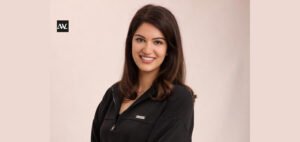
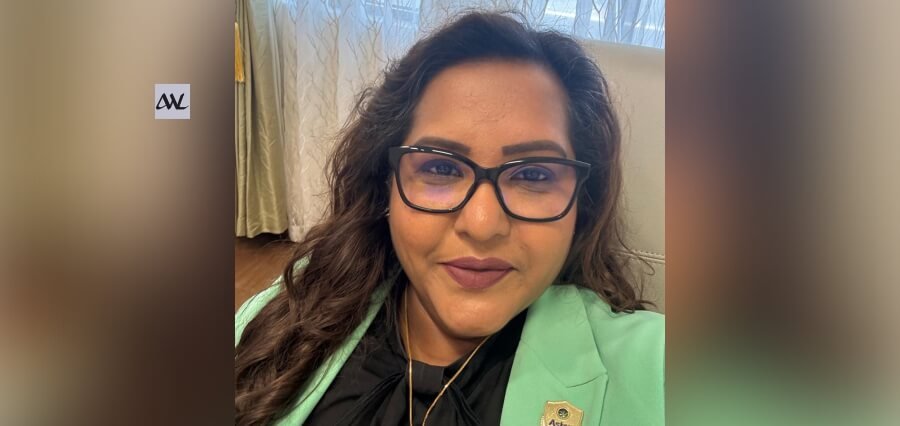
Sometimes the most amazing things in life start in the most unlikely places. They are fashioned by the opportunities we take advantage of, the obstacles that test our resolve, and the meaning we discover along the journey rather than by well-considered strategies. For Sarah Ilyas, nursing evolved into much more than just a career. It evolved into a powerful platform that inspired caregivers, promoted clinical excellence, and changed nursing leadership across one of the largest hospital networks in the region.
Her passion for discovering the truth, solving challenging situations, and her ability to look past appearances all contributed to her childhood dream of being a journalist. Even after her work path shifted, she continued to be analytical and enthusiastic. As the Chief Nursing Officer for the Hospitals and Clinics Vertical at Aster Hospitals & Clinics in the UAE, Bahrain, and Oman, she nurtures a new generation of nursing leaders who share her precision, perseverance, and commitment to enhancing patient care.
Leading with Curiosity and Compassion
Sarah oversees nursing operations across three countries, reports directly to the CEO on the organization’s most complex challenges, and works at the intersection of clinical excellence, digital transformation, and compassionate care. Yet when asked what motivates her each morning, she returns to a mindset shaped by a journalist’s curiosity: looking beyond the obvious and asking what remains unsaid. “Good leadership begins with the courage to investigate honestly,” she explains.
She believes this approach is the key to understanding organizational challenges. Rather than accepting surface-level explanations, she spends time on the ground, follows the data, and listens for the insights that metrics and meetings often miss. This thoughtful and disciplined method has earned the trust of executive boards and the confidence of thousands of nurses working under her leadership.
Nursing as a Strategic Asset
One of Sarah’s greatest strengths is her ability to connect clinical excellence with business outcomes, making her a valued voice in the boardroom. She does not rely on emotion to advocate for nursing. Instead, she presents well-structured storyboards that clearly demonstrate the impact of her ideas.
Every proposal follows a clear framework. She begins with the problem statement and provides the necessary background. She then examines what worked in the past, identifies the changes that caused the current challenge, and outlines a practical solution with a strong rationale. Each presentation highlights the value proposition and concludes with what she knows matters most to the board: the financial impact. While her recommendations remain firmly rooted in patient care and clinical excellence, she strengthens them with industry benchmarks and proven market practices.
The Power of Empathy
In healthcare, few leaders experience their own system from a patient’s perspective. Sarah did, and the experience reshaped her approach to leadership. Her contribution in establishing oncology as a new clinical service within the organization. Just three months after helping build the department, she became one of its patients, receiving cancer treatment in the very ward she had helped create. It was an experience that transformed her understanding of patient care in ways no policy or report could.
As both the architect of the department and a patient within it, she identified gaps that are often invisible to leadership. She noticed the small moments that either comfort a frightened patient or leave them feeling unsupported. These insights helped her recommend meaningful improvements with patient experience at the center of every decision. The journey permanently changed her priorities as a leader.
“Today I contribute in building departments with empathy and compassion at the top, not as soft values, but as the difference between treating a condition and caring for a human being,” she explains.
This philosophy inspired one of her most meaningful initiatives: COSMOS, a patient psychological support group she founded within the oncology department. The idea emerged during her own treatment, when she saw many patients arrive for chemotherapy alone and leave alone. Many appeared emotionally overwhelmed, and some expatriate patients had not even informed their families back home that they were battling cancer.
COSMOS, which stands for Circle of Strength, Master of Self, was created on the belief that no one should face cancer alone. Today, the initiative has more than 350 registered volunteers who offer companionship, encouragement, and emotional support to patients throughout their treatment journey.
Building a Culture of Wellbeing
Nursing demands a level of emotional commitment that few professions require. Burnout is not an occasional challenge but a structural reality of the profession. Sarah believes that supporting nurse wellbeing is not an optional initiative but a critical part of building a strong and sustainable healthcare organization.
At Aster, nurses have direct channels to raise concerns, including a dedicated hotline that connects them to her office. The nursing division also has Workforce Wellbeing, Engagement, and Talent Development officers who regularly connect with nurses across units. They serve as a bridge to the HR team and advocate for practical solutions such as flexible shifts, transfers closer to home, and financial assistance through the organization’s internal “Just Ask” platform. The wellbeing framework also includes regular town halls, one-on-one counselling sessions, parental support programs, and routine health screenings. In addition, a mental well-being app designed exclusively for nurses is being introduced to provide ongoing support.
Sarah’s philosophy is clear: nurses cannot continue caring for others unless they are cared for themselves. For her, protecting the well-being of her teams is a leadership responsibility that must be built into the organization, not a goodwill gesture left to chance.
Technology with a Human Purpose
Sarah brings a unique perspective to the conversation on digital transformation in healthcare. She does not view technology and human connection as opposing forces. Instead, she believes that well-designed technology allows nurses to spend more time where they are needed most: at the patient’s bedside.
Across Aster’s hospitals, closed-loop barcoded systems are used for medication administration, sample collection, and blood transfusions to improve accuracy and reduce errors. One initiative she is especially proud of is the barcoded expressed breast milk process implemented in the Neonatal Intensive Care Unit (NICU). The system ensures that the right milk reaches the right baby every time.
For mothers whose newborns remain in intensive care, this process provides reassurance during an emotionally challenging time. Seeing the system in place gives them confidence that their babies are receiving their own expressed milk, even when they cannot be there in person. For Sarah, this is a powerful example of technology serving humanity. She believes the purpose of digital innovation is not to replace compassionate care but to protect and strengthen it, allowing healthcare professionals to focus on what matters most: caring for people.
A Framework for Nursing Excellence
Bridging the gap between academic training and clinical practice remains a key challenge in nursing education worldwide. Sarah addresses this through a structured and systematic approach rather than relying on assumptions. At Aster, every nurse is assigned targeted courses through the Lippincott e-learning platform. Each course is supported by a skill checklist that nurses must complete successfully. Clinical competence is formally assessed, and nurses are deployed to their units only after meeting the required standards.
For fresh graduates, the organization runs the Nursing Skill Enhancement Training (NSET) program. This initiative ensures that new nurses develop the necessary skills and qualify before being assigned to their areas of interest. The program benefits both nurses and patients. New nurses begin their roles with confidence and adequate preparation, while patients receive care that meets established quality standards from day one.
The same structured approach is applied to developing future nursing leaders. Through a comprehensive Nursing Talent Review, the organization identifies high-potential nurses for management roles. However, identification is only the first step. Rather than promoting them immediately, selected nurses are placed in acting roles under the guidance of experienced supervisors. They are given clearly defined responsibilities, ongoing mentorship, and regular performance evaluations. This process helps identify challenges early and allows workloads to be adjusted when needed.
Building a Lasting Leadership Legacy
When asked about sustainable leadership, Sarah focuses on people rather than strategy frameworks or performance metrics. She believes sustainable leadership is about developing future leaders, delegating responsibilities, and empowering teams to manage complex challenges independently. She sees leadership as a responsibility to mentor and nurture others. Like a skilled craftsman, she believes leaders should shape capable successors by sharing knowledge, developing skills, and demonstrating the values they expect their teams to follow.
Her experience with cancer strengthened another important dimension of her leadership philosophy: prioritizing health and well-being. It taught her the importance of paying attention to early warning signs and maintaining personal health. Today, she encourages her team to value their well-being as much as their professional performance. In her view, a leader who burns out cannot create a lasting impact, while a leader who develops others and stays healthy leaves a meaningful legacy.