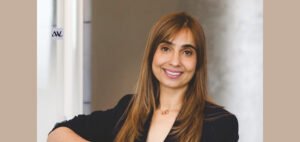
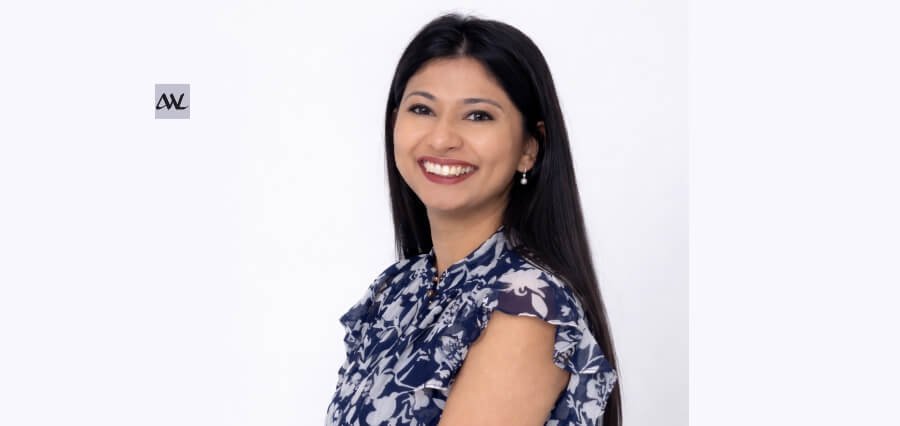
In an era of growing healthcare complexity, Sumera Farhan, Manager of Patient Safety at Sidra Medicine, is recognized for bringing structure, clarity, and systems thinking to patient safety leadership. Her approach is grounded in the belief that sustainable improvement comes not from reacting to isolated events, but from strengthening the conditions that enable safer care across teams, processes, and governance.
With experience spanning nursing, education, accreditation, occupational health, and governance, she brings a broad operational understanding to patient safety. Her work reflects a consistent focus on building cultures of learning, strengthening systems, and supporting organizations to move beyond compliance-driven approaches toward meaningful and lasting improvement.
From Clinical Practice to Systems Leadership
Sumera’s professional journey did not follow a straight line. She began her career in nursing, where she developed a strong frontline understanding of patient care. This experience became the foundation for all her later leadership decisions. Over time, she moved through roles in clinical coordination, education, occupational health, and accreditation, before progressing into broader patient safety leadership.
Her progression into patient safety leadership was shaped by a growing understanding that safe care depends not only on individual capability, but also on the strength of the systems surrounding clinical work. This perspective led her to focus less on isolated problems and more on the broader conditions that influence performance, escalation, and learning.
She also learned early that influence matters as much as authority. Even well-founded recommendations have limited impact when teams are not aligned, communication is unclear, or follow-through is inconsistent. These lessons continue to shape her approach to leadership and implementation.
Advancing Patient Safety
When asked about the most important transformation in healthcare today, Sumera points to the shift from reactive care to proactive, system-based care. She explains that safety, quality, patient experience, and operational reliability can no longer operate in separate silos. The organizations that will shape the future of healthcare are those that connect data, frontline insight, and governance into a unified system that enables earlier action.
In her work, this shift is most visible in the evolution of patient safety practice. Rather than relying solely on incident response after harm has occurred, the focus is increasingly on identifying risks earlier, strengthening escalation pathways, improving team communication, and converting events and near misses into organizational learning. She has contributed to this shift through safety governance, capability building, and the development of more responsive reporting and review processes.
Her approach brings together human insight and enabling technology. She has supported improvements in event reporting workflows, the use of mortality e-triggers, greater dashboard visibility through Power BI, and more accessible reporting pathways for frontline teams. She has also contributed to strengthening Datix workflows and broader system integration to improve visibility, follow-up, and organizational learning.
At the same time, she emphasizes that technology is only a tool. Its value lies in how it supports teams to identify risks earlier, respond faster, and learn more effectively. She believes that strong digital safety systems reduce reliance on memory and manual tracking, improve accountability, and strengthen follow-up processes. Ultimately, this allows clinical teams to focus more on patient care and less on administrative work.
Leadership Philosophy Built on Psychological Safety
Sumera’s leadership philosophy is grounded in clarity, accountability, and psychological safety. She believes people perform best when expectations are clear, support is consistent, and the environment enables them to raise concerns without fear. In healthcare, where pressure is constant and outcomes matter deeply, she sees resilience as something built through trust, consistency, and shared purpose.
She follows a systems-based approach to leadership. When issues arise, her first question is not about individual fault. Instead, she focuses on what in the system made the failure more likely. She believes this approach helps create more open cultures, encourages early identification of risks, and reduces defensiveness that can prevent learning in clinical settings.
At the same time, she places strong emphasis on disciplined follow-through, respectful challenge, and high standards. Her leadership style values visibility and engagement; she stays connected to operational realities, listens closely to frontline teams, and works to ensure that feedback leads to visible action.
Navigating Crisis with Conviction
In high-stakes situations, Sumera adapts her leadership approach with clear intention. She simplifies priorities and focuses on facts. She ensures that communication remains direct, structured, and transparent. She also increases the frequency of check-ins so that teams understand what has changed, what decisions are still pending, and who is responsible for each action.
During crises, she places greater emphasis on listening. She believes frontline teams often identify emerging issues before they appear in dashboards. She creates space for these insights to surface, which helps enable faster and more effective responses.
She also believes that crises define organizational culture. In such moments, teams closely observe whether leaders remain fair, composed, and consistent in their decisions. She sees this as the point where trust is either strengthened or weakened.
Health Equity in Patient Safety
For Sumera, health equity is not a diversity initiative. She views it as a patient safety strategy. She defines accessibility and inclusion as central to safe care delivery. She believes that care which people cannot access, understand, or navigate cannot be considered truly safe, even if the clinical quality is high.
Her work in this area has included contributions to health literacy, patient- and family-centered communication, and efforts to reduce access-related gaps in care. She views unwarranted variation, delayed escalation, and inconsistent communication as issues that can affect both equity and safety. Her approach is to examine who is most affected, why gaps persist, and how systems can be redesigned to make care more accessible, consistent, and responsive.
Balancing AI and Human Care
Sumera sees artificial intelligence and advanced analytics as tools that can strengthen patient safety when used thoughtfully. In her work, this includes the use of e-triggers, analytics, and reporting systems to improve visibility, support earlier identification of risk, and reduce preventable gaps. She is clear, however, that these tools are meant to support clinical judgment rather than replace it.
Her approach to technology adoption is guided by a practical question: does it make care safer, clearer, and more supportive for both patients and staff? If a tool reduces manual burden and helps teams identify risk earlier, she sees clear value in it. If it adds distance, complexity, or distraction, she believes its role should be reconsidered. For her, technology should strengthen—not weaken—the human side of care.
Mentoring Future Healthcare Leaders
Mentorship is a central part of Sumera’s leadership identity. She does not see it as an additional responsibility. She views it as essential to succession planning, sustainability, and equity in healthcare leadership. Her approach to mentorship is based on real exposure. She involves emerging leaders in investigations, governance discussions, improvement projects, and educational activities. She focuses on practical learning rather than advice alone.
She has provided structured mentorship to patient safety externs and contributed to training and orientation across different staff groups. Her approach emphasizes practical exposure, guided responsibility, and confidence-building through real work. She is particularly committed to creating opportunities for emerging professionals who may have strong capability but limited visibility, and to helping them navigate complexity without losing their voice.
The Legacy She Is Building
Sumera’s impact is rooted less in visibility and more in the systems and culture she helps shape. She is committed to building environments where people can speak up, concerns are met with fairness and urgency, and learning is embedded in everyday practice. At the center of her work is a consistent aim: to help healthcare teams move from fear to learning, and from fragmented processes to more reliable systems.
She continues to work toward safer, more integrated, and more human-centered systems of care. For her, success is reflected not only in stronger processes and clearer oversight, but in whether patients are safer, staff feel supported, and organizations are able to learn and respond more effectively.