
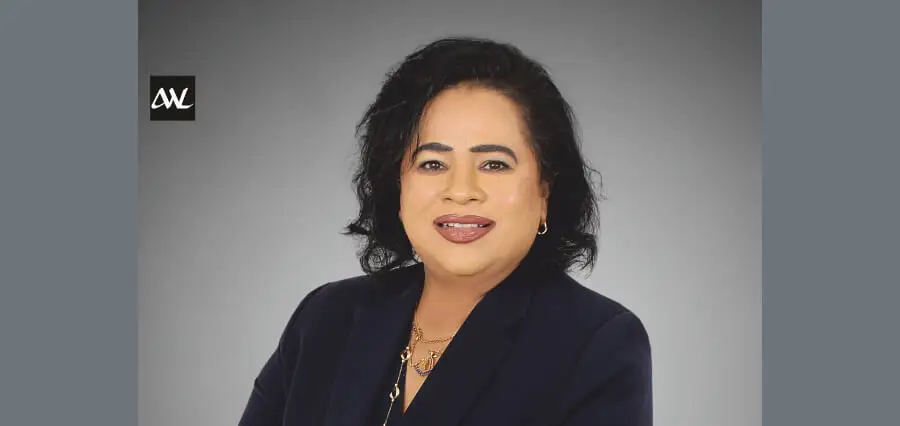
Some leaders gain recognition for what they accomplish. Others are remembered for the people they empower and inspire. Pushpa Nair, Director of Procurement, belongs to the latter. Over more than three decades in the corporate world, she has built a leadership legacy that extends far beyond the boundaries of her formal roles. Her influence is evident in the respect she has earned from colleagues, including many who have never worked directly under her, as well as from the mentees whose careers she has helped shape.
What sets her approach to leadership apart is the value she places on people. In retrospect, rather than focusing on the roles she has held throughout her career, she speaks more about the connections she has made, how much she has grown, and the impact one person can have on another’s professional journey. For Pushpa, leadership is not only about achieving success. It is about creating confidence, earning trust, opening doors, and leaving people stronger than when they first crossed your path.
Lessons That Shaped Leadership
Pushpa’s leadership journey did not begin with a single mentor or a defining moment. It developed through three decades of observation and experience. Early in her career, she recognized that there is no universal formula for effective leadership. She worked alongside strategic thinkers who planned several steps, disciplined leaders who maintained high standards, people-focused managers who understood the individual stories of their team members, and decisive professionals who took accountability without hesitation. Each leader taught her a valuable lesson, but none provided a complete model to follow.
Rather than imitate one leader, Pushpa chose to learn from each of them. She observed what worked, rejected what did not, and gradually developed her own leadership approach. She paid close attention to what motivated people, what strengthened their confidence, and what could gradually undermine it. “I learned to take the best from every leader and make it my own,” she says.
These experiences shaped her view that effective leadership requires adaptability. People respond differently to the same leadership style. What motivates one person may overwhelm another. What builds confidence in one team member may create pressure for someone else. To bring out the best in people, a leader must first understand them rather than simply manage them.
She also acknowledges the leaders who influenced her early career for more than the lessons they shared. They gave her opportunities to grow. They challenged her, trusted her with responsibilities before she felt fully prepared, and gave her the freedom to develop her own approach. Looking back, she sees their influence as the foundation on which she built her leadership identity. She took the lessons she gained from them and shaped them around her own values.
Leading with Understanding
When asked to describe her leadership approach today, Pushpa highlights one principle above all others: putting herself in another person’s shoes. Before approaching a colleague or handling a difficult conversation, she takes a moment to consider how the other person may be experiencing the situation. She thinks about what they may be feeling and what kind of leadership the situation requires.
This approach did not come naturally at the beginning of her career. In her early years, her focus was largely on the task at hand, including deadlines, deliverables, and results. With experience, she learned that achieving an outcome is only part of effective leadership. The journey matters too, as does how people feel along the way. Her understanding of leadership gradually evolved from simply getting things done to bringing people with her throughout the process.
For Pushpa, the strongest form of leadership develops when team members not only respect their leader professionally but also trust and value them as a person. When employees feel understood, supported, and trusted, leadership becomes more meaningful than simply managing performance.
Her approach is built on balance. She combines clear expectations with understanding, accountability with compassion, and authority with approachability. This allows her to maintain high standards while creating an environment where people feel respected and supported. “I balance high standards with empathy, because results matter, but so do people,” she says.
Judgment with Humanity
Every leader eventually faces a situation where there is no obvious right answer. The facts may point in different directions, and every option may come with a cost. This is where Pushpa’s experience becomes particularly valuable. She draws on decades of experience to remain calm under pressure, assess facts objectively, and consider the possible consequences before making a decision. She avoids reacting based on instinct alone.
When the right path is not immediately clear, she does not simply follow the strongest voice in the room. Seniority or the most convincing argument does not automatically determine her decision. Instead, she considers three fundamental questions: What is fair? What is reasonable? What is best for the situation and the people involved?
Her decisions are informed by experience, but she also values instinct. Over time, she has developed an ability to read situations beyond what is visible on paper. This comes from years of recognizing patterns and understanding people. It is a form of judgment that cannot always be captured in data or spreadsheets.
Above all, she tries to ensure that her decisions do not cause unnecessary harm. This does not mean avoiding difficult choices. She recognizes that leadership sometimes requires decisions that may be uncomfortable. However, even the toughest decisions can be handled with dignity, fairness, and respect. “I try to make difficult decisions with fairness, dignity, and humanity,” she says.
This balance between firmness and humanity has shaped her approach to decision-making. It has also earned her the trust of people who may not always agree with her decisions, but respect the way she makes and communicates them.
The Power of Trust
If one principle defines Pushpa’s approach to leadership, it is trust. She considers trust one of the most valuable foundations of any professional or personal relationship. Without it, even a strong team, strategy, or partnership can struggle under pressure.
In her experience, trust is not built through a single conversation. It develops gradually through consistent actions and small moments. It comes from keeping promises, standing by people when they need support, being honest even when the truth is difficult, and showing through actions that others can depend on you. When genuine trust exists, even difficult messages can be received differently. People are more willing to accept challenging news when they understand the intention behind it. “I build trust through consistency, honesty, and being there when people need me,” she says.
For her, this is one of the most important and often overlooked outcomes of effective leadership. A team member may not always agree with a decision, but they can still trust that it was made with the right intentions. This distinction is significant. It is what separates leaders who are simply followed from those who earn lasting respect.
Technology with a Human Touch
Pushpa’s view of the future of leadership is closely linked to her perspective on technology. She recognizes its growing importance while also understanding its limitations. For her, technology is an enabler, not a substitute for human judgment or connection. Its purpose is to make work more efficient by simplifying complex processes, reducing repetitive tasks, improving communication, and helping people achieve their goals more effectively.
What interests her most about technology is the time it creates. When digital tools reduce unnecessary administrative work, leaders have more time to focus on their people. Technology can help teams collaborate more efficiently, access information quickly, monitor progress in real time, and make better-informed decisions.
However, she also recognizes the limits of technology. A dashboard can show what is happening in a project, but it cannot always explain why a team member may be struggling. Understanding such situations requires human attention and empathy.
This forms the foundation of Pushpa’s vision for the future of leadership. Leaders should use technology to work smarter and more efficiently. They should then use the time it creates to listen, mentor, and connect with their people. In this way, technology can strengthen the human side of leadership rather than replace it.
Leadership Rooted in Empathy
When asked about the quality that matters most in a leader, Pushpa places empathy at the top of her list. For her, earning the trust of a team member begins with understanding them as a person, not simply as an employee performing a role. When people feel that their leader genuinely cares about them, they become more confident, open, and willing to contribute. They know that their concerns will be heard and their circumstances will be taken seriously.
For Pushpa, empathy is the foundation of trust, and trust helps build confidence. She also recognizes that people need different forms of support at different times. Sometimes, a team member needs clear direction. At other times, they simply need someone who will listen without immediately offering solutions. Understanding what the situation requires is an important skill that leaders must develop through practice.
She has seen that people perform at their best when they feel respected and valued. This can transform a traditional manager-employee relationship into a stronger professional connection. Team members begin to see their leader as someone they can approach, rely on, and learn from.
Importantly, Pushpa does not see empathy as a sign of weakness or softness. For her, empathy means remaining human while maintaining clear standards and accountability. It is a leadership discipline that helps leaders understand their people without losing sight of their responsibilities.
Nurturing Potential
Pushpa is candid about one of the most common mistakes leaders make. They often expect every team member to work in the same way. Her approach is based on a different principle. Every individual brings a unique combination of strengths, weaknesses, personality traits, and ways of thinking. A leader’s role is to recognize these differences and use them to strengthen the team.
Her approach begins by identifying what a person does particularly well. She allows them to use that strength and build confidence. When people feel confident in their abilities, they are more willing to work on areas where they may be less certain. By contrast, focusing constantly on weaknesses can reduce motivation. She therefore believes that confidence should come before growth.
Empowerment also means giving people the freedom to make decisions. Pushpa recognizes that mistakes can happen even when people have the right intentions. What matters is how leaders respond to those mistakes. She wants her team members to know that if they make an honest mistake while trying to do the right thing, she will support them. Accountability remains essential, but she does not want fear to be its foundation.
When people know that their leader trusts and supports them, they become more willing to take ownership and make decisions independently. They also become more prepared to develop their own leadership abilities. For Pushpa, the true measure of empowerment is helping people recognize potential in themselves that they may not have seen before.
Grace Under Pressure
Not every lesson Pushpa shares comes from success. She considers emotional control one of the most difficult lessons of her career. Leadership often involves pressure, disagreement, difficult decisions, and unexpected challenges. She acknowledges that emotional reactions in such moments can turn a manageable problem into a larger one. Over time, she learned to pause, listen, and think before responding. It is a discipline she continues to practice.
She has also learned that not everyone will agree with her, and she accepts this as part of leadership. For her, leadership is not about always being right. It is about being open to different perspectives and giving people the opportunity to express their views. The final decision may not always reflect their suggestions, but being heard still matters. “I have learned that listening matters, even when the final decision is mine,” she says.
Pushpa also considers appreciation an important and often underused leadership practice. When a team member does good work, she believes in recognizing the effort openly and sincerely. She does not see appreciation as a threat to a leader’s authority. Instead, she sees it as a way to strengthen trust and respect within a team.
Looking back on her career, she sees effective leadership as closely connected to being a good human being. It requires listening to others, treating people with respect, remaining open to learning, and having the humility to appreciate those around you.
Beyond Titles and Recognition
When asked about her proudest leadership achievement, Pushpa does not point to an award or a professional milestone. Instead, she speaks about being someone her colleagues turn to for guidance, including those who do not report directly to her. When people from different teams and levels of an organization approach her for advice, she sees it as a sign of trust. It shows that they value her judgment, know that she will listen, and feel comfortable seeking her support.
She also values recognition from senior leaders and takes pride in the work she has contributed throughout her career. However, the recognition that matters most to her is more personal. She values being remembered for making a positive difference in someone’s professional life.
Becoming a trusted mentor, supporter, or role model is not something a job title can provide. It must be earned over time through consistency, support, and genuine human connection. For Pushpa, earning that trust and leaving a positive impact on others is an achievement that carries greater meaning than any formal recognition.
A Legacy Rooted in People
Looking ahead, Pushpa’s idea of legacy is not defined by positions or achievements on paper. It is centered on people. She hopes to be remembered as a leader who genuinely cared about others. She wants to be seen as a mentor, a source of guidance, and a steady presence for those who are still finding their path.
She hopes her influence will extend across generations, personalities, and levels of leadership. Her goal is not to be remembered for recognition or titles. Instead, she wants her work to have a lasting impact on the people she has supported and guided.
The legacy she values most will be reflected in the success of the young leaders she has mentored. If someone she has guided goes on to become a confident, compassionate, and successful leader, she will consider it one of her greatest achievements. She hopes future leaders will carry forward the values that guide her leadership, including trust, empathy, courage, fairness, humility, and accountability. At the heart of these values is a strong commitment to humanity and respect for others.
After more than three decades in the profession, Pushpa’s view of leadership has become clear. Leadership is not measured by the number of people who report to you. It is measured by the number of people who become stronger because they had the opportunity to work with you. “I measure my leadership by how much stronger people become because of it,” she says.
For her, that is the legacy worth leaving. It is about delivering results without losing human connection, building trust, and creating opportunities for others. It is also about helping people grow into leaders themselves. In this way, her influence can continue through the people she has supported long after her own tenure has ended.