
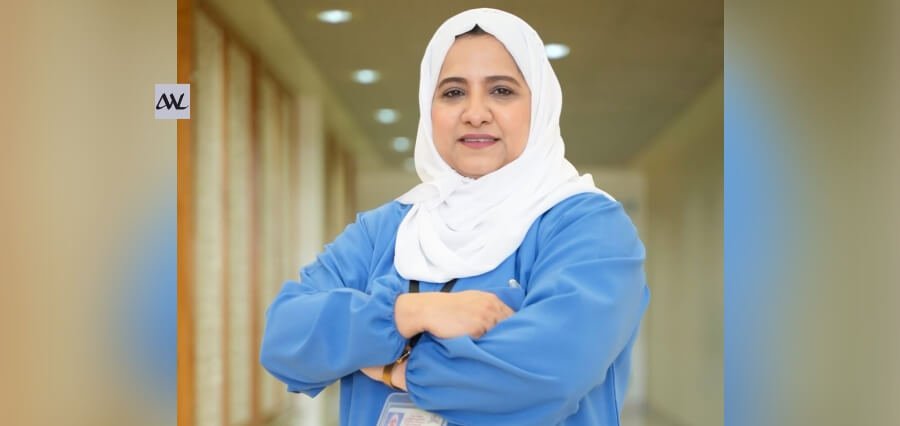
Few leaders are as adept at striking a balance between clinical empathy and strategic vision as Fahima Al Harthy at a time when healthcare systems worldwide are juggling rapid technology change with escalating disparities. She was a midwife before becoming an executive scholar, and currently she serves as the Maternity Head at the Royal Hospital of Oman. Her focus has been on bridging the seeming gap between data-driven healthcare systems and empathic care.
As, she has repeatedly shown, the finest healthcare leadership places the patient at the center of every decision they make. Her influence now goes far beyond her company. In maternal and child health, Fahima is a strong example of intentional leadership. Her research demonstrates that human-centered care and cutting-edge technology are complimentary forces that, when combined, can enhance health outcomes rather than being competing agendas.
People-Centered Leadership Approach
When asked to define her leadership style, Fahima avoids corporate jargon. She describes it in three simple words: clarity, compassion, and collaboration. Clarity refers to setting transparent goals and ensuring every team member understands and aligns with a shared vision. Compassion means making decisions that respect the dignity of both patients and staff. Collaboration reflects the belief that healthcare is a collective effort where diverse perspectives improve outcomes.
This approach is not theoretical. Fahima actively works to build strong and resilient team cultures. She promotes psychological safety, creating an environment where staff can raise concerns without fear of negative consequences. She also places strong emphasis on continuous professional development for midwives, nurses, and supervisors. This ensures that teams are prepared to adapt to the changing demands of healthcare.
Vision for Data-Driven Healthcare
Fahima identifies a major shift in modern healthcare. She highlights the move from reactive treatment to proactive, continuous, and data-driven care. Digital health platforms, AI-powered diagnostics, and remote monitoring are changing how patients engage with healthcare providers. They are replacing traditional episodic visits with a more personalized system. In this model, prevention and prediction become central to care delivery.
Her organization is actively driving this transition. Fahima’s team has integrated health-monitoring tools into community programmes. They are also piloting interoperable dashboards that allow supervisors to track patient outcomes across hospitals and rural clinics in real time.
The system is designed to support early intervention. It helps reduce complications before they become severe. It also improves access and equity for communities that have long been underserved by traditional healthcare systems. Fahima notes that technology alone is not enough. She says the transformation depends on trust, accessibility, and cultural sensitivity. She emphasizes that innovation must serve all patients, not only those who are easiest to reach.
Turning Gaps into Solutions
Fahima ’s impact is most visible in the practical initiatives she has led. Each initiative responds to a specific gap in maternal and child healthcare delivery.
TENS Technology in Maternal Care
Fahima introduced Transcutaneous Electrical Nerve Stimulation (TENS) machines in maternal care settings. This provided a safe and non-invasive alternative to pharmacological pain management. It gave women greater control over their care experience and reduced dependence on medication. It also marked a shift toward integrating evidence-based therapeutic devices into routine midwifery practice. Patients gained more choice, and the organization strengthened its position as an innovation-focused care provider.
Midwifery Counselling Clinic
Fahima recognized that clinical treatment alone is not enough to support maternal wellbeing. She established a dedicated counselling clinic for maternal and child health. The clinic offers antenatal education, postpartum counselling, and continuous emotional support. It ensures continuity of care beyond delivery. By creating a structured space for communication and guidance, the initiative strengthened trust between patients and providers and encouraged greater family involvement in the care process.
The Istehlekni Digital Project
One of her most ambitious initiatives is the Istehlekni digital transformation project. It modernized healthcare operations within the organization. The system digitized resource tracking and streamlined reporting processes. It also reduced manual inefficiencies that previously affected service delivery. Supervisors can now monitor performance in real time, and system-wide transparency has improved significantly. The project aligns the organization with global standards of accountability and operational efficiency.
Steady Leadership in Crisis
Fahima’s leadership is most evident during periods of pressure. During the pandemic, maternal service delivery was severely disrupted and healthcare systems faced deep uncertainty. She responded by forming rapid response teams. She also empowered local leaders to make context-specific decisions while maintaining strict organizational safety protocols. Throughout this period, communication remained constant, transparent, and empathetic.
Fahima explains her approach by saying that decisions must be anchored in values while tactics remain flexible. She believes that a leader’s role is not to eliminate risk but to guide the organization with steadiness, humility, and adaptability. This approach separates reactive management from true leadership. It is a style that her teams recognize and trust.
Health Equity as the Foundation Stone
Fahima believes that health equity is not just a performance metric. It is the foundation of every healthcare program she designs and delivers. Her organization strengthens rural outreach programmes to ensure that women in remote communities receive the same standard of care as those in urban areas.
The organization also collects disaggregated data to identify gaps in health outcomes across different socioeconomic groups. It then uses this data to design targeted interventions that address these disparities more effectively.
Fahima explains that health equity is achieved when every patient feels seen, heard, and supported, regardless of geography, income, or background. She emphasizes that this goal requires both strong policy direction and disciplined execution at the frontline.
Technology as an Enabler
Fahima approaches the debate on AI in healthcare with clear balance and nuance. She recognizes the power of algorithms that can detect medical anomalies faster than clinicians. At the same time, she rejects the idea that technology can replace human empathy in care delivery.
Her position is that technology should augment healthcare, not replace it. She focuses on integrating digital tools into clinical workflows in a way that preserves human connection. She explains that staff are trained to use technology as a guide rather than a dependency. This ensures that patients benefit from both efficient systems and compassionate care.
A Career Defining Moment
Every accomplished leader has a defining turning point that changes their path. For Fahima this moment came in 2022 when she presented her first research paper at a national midwifery conference. While speaking to peers and policymakers, she gained a new clarity. She realized that evidence could shape practice and influence policy at scale. This experience shifted her professional identity.
She transitioned from a skilled practitioner to a scholar-leader. Her focus expanded to bridging frontline healthcare realities with academic research and evidence-based practice. This shift led to further growth. She was invited as a keynote speaker at several international conferences. In 2023, she graduated as a Young Executive Leader through the International Hospital Federation. She also earned certification as a coach from the International Coaching Federation. Each milestone strengthened her belief that leadership is not defined by titles. She believes it is defined by the ability to turn knowledge into action that improves lives.
Building the Next Generation of Leaders
Fahima sees mentorship as a core leadership responsibility rather than an optional professional activity. She actively mentors young healthcare professionals, with a strong focus on women. She also provides access to research opportunities, enabling emerging practitioners to publish their work and present them at conferences.
She leads by example in her organization and ensures that diverse voices are not only included in discussions but also empowered to influence decisions. Fahima explains that the next generation must inherit both skills and confidence to lead with courage. Her goal is to ensure continuity of vision, values, and the culture of innovation she has built over time.
Creating Enduring Impact
Fahima’s ambition is both clear and wide-ranging. Her goal is to build a healthcare system where maternal and child health outcomes are equitable, data-driven, and benchmarked against the best global standards. She hopes to be remembered not only for the initiatives she led but also for the culture of compassion and resilience she fostered within her teams.
Her next major milestone is the national scaling of digital maternal health platforms. This includes integrating AI-driven analytics with community-based care. The objective is to create a model that can be replicated in other regions. Her journey reflects how a midwifery professional, guided by clarity, compassion, and collaboration, can transform an entire healthcare ecosystem.