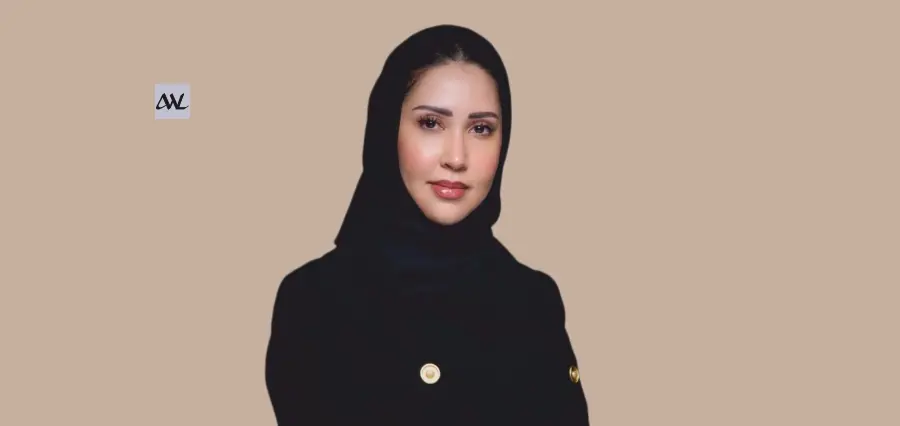
As Saudi Arabia strives to fulfill its Vision 2030, the focus of education is moving from preparing students for tests to preparing them for a rapidly changing future. As the Director General of Riyadh Schools / Hittin, Najoud Alharthi is spearheading this shift because she believes that education must generate innovative, critical thinkers, and self-assured individuals who can impact the Kingdom’s future.
By doing this, she is creating an educational system that strikes a balance between the elements of creativity and human interactions, sustainability and growth, and ambitions and the well-being of her learners through integration of the nation’s ambitions into the curriculum, as well as through reassessing the role of educators in the age of artificial intelligence. Her leadership is driven by the belief that education should not only ensure the success of its learners in the present time, but it should also ensure that they contribute to and have influence on the future.
Preparing Minds for the Future
In a region undergoing one of the most ambitious national transformations in modern history, Najoud holds a unique position. She stands at the intersection of Vision 2030 and the next generation of Saudi citizens who will help shape its future. Her leadership approach, which she describes as future-back leadership, moves away from the traditional idea of preparing students for the world as it exists today. Instead, she focuses on creating learning experiences that equip them for the world of tomorrow.
Her curriculum emphasizes critical thinking, digital skills, communication, leadership, and a strong sense of national identity. Rather than asking if students are ready for university, she asks whether they are ready for the future. “Our goal is not only university readiness but also future readiness,” she says. For Najoud, the difference is significant. University readiness is a milestone, while future readiness is a mindset built on adaptability, confidence, and purpose. She is committed to helping students develop all three qualities.
Turning Vision 2030 into a Student Mission
Najoud approaches Vision 2030 as more than a policy framework. She sees it as a shared responsibility that students should understand and actively embrace. “Our students should graduate understanding that Vision 2030 is not a government initiative happening around them but a national transformation they are expected to contribute to,” she says. To bring this vision to life, she connects classroom learning with the landmark projects reshaping Saudi Arabia, including NEOM, Qiddiya, and the Red Sea Project.
Through entrepreneurship programmes, sustainability initiatives, career exploration, and partnerships with emerging industries, she helps students see their role in the country’s future. “We want students to see themselves as future contributors to whatever comes next,” she says.
This philosophy reflects a broader approach to education. While many schools teach civic responsibility as an academic subject, Najoud focuses on developing national contribution as a practical life skill. Her goal is to inspire students to become active participants in Saudi Arabia’s transformation and future growth.
Balancing Excellence
Leading a high-performing school is a significant responsibility. Ensuring that it continues to perform well financially, operationally, and culturally requires an even greater commitment. Najoud approaches both responsibilities with equal focus. “Educational excellence must be sustainable, and as a leader, I am responsible for ensuring that every investment directly impacts student outcomes,” she says.
She views resource allocation, operational efficiency, and strategic partnerships as essential parts of effective leadership. Every decision is guided by the goal of improving student learning while maintaining the school’s long-term strength. “Growth should never come at the expense of quality, but quality must also be managed responsibly to ensure sustainability for future generations,” she says. This balanced approach reflects her leadership philosophy. She believes lasting success depends on maintaining high standards while managing resources wisely, ensuring that the institution continues to serve students and future generations with the same level of excellence.
Preserving School Culture
As institutions grow, they often face the challenge of preserving the culture that defines them. Najoud recognizes this risk and has made it a key leadership priority. “Growth is successful only when culture grows with it, and my focus is not on scaling systems alone but on scaling values, expectations, and relationships,” she says.
Her goal is to ensure that every student feels known, supported, and challenged, regardless of class size or campus expansion. She achieves this through strong leadership teams, consistent academic standards, and personalized learning pathways. While technology continues to transform education and offers new ways to personalize learning, Najoud believes that meaningful human relationships remain at the heart of student success. She maintains that institutions can expand without losing their sense of community, provided leaders make a conscious effort to protect and strengthen those connections alongside growth.
Redefining the Teacher’s Role in the Age of AI
Najoud believes the future of education depends as much on teachers as it does on technology. As classrooms evolve, she focuses on helping educators adapt to their changing roles. “Information is everywhere, but wisdom is not,” she says. In an age when students can access facts instantly, she believes the value of teachers extends far beyond delivering information. Their primary role is to develop human potential by encouraging students to think critically, ask meaningful questions, collaborate effectively, and make ethical decisions.
Najoud is building a team of educators who serve as facilitators, mentors, coaches, and guides rather than traditional instructors. Her approach emphasizes skills that technology cannot fully replace. “AI can provide information, but teachers help students evaluate, question, collaborate, and make ethical decisions, making that human element even more important in the future,” she says. Her perspective embraces technology while recognizing its limits. She sees artificial intelligence as a powerful educational tool, but believes that human connection, judgment, and mentorship will remain essential to preparing students for the future.
Leading Through Learning
For Najoud, schools should do more than teach leadership concepts. They should provide students with opportunities to practise leadership through meaningful experiences. She envisions a learning environment where students design, build, test, and lead projects that create real impact. Instead of relying on simulated exercises, she encourages students to take on authentic challenges that demand critical thinking, teamwork, and accountability.
“Students learn best when they solve real problems,” she says. Through entrepreneurship programmes, innovation challenges, community service, technology projects, and sustainability initiatives, Najoud enables students to develop leadership skills through direct experience. Her approach helps them understand leadership as an action rather than a subject to be studied. At the heart of this philosophy is a strong belief in students’ abilities. By trusting them with real responsibilities, she creates an environment where confidence, initiative, and leadership naturally grow.
Inspiring the Next Generation
Najoud recognizes the significance of her role as a Saudi woman leading a school. She embraces both the responsibilities of institutional leadership and the example she sets for her students. “I feel a responsibility to demonstrate that leadership and excellence go hand in hand,” she says. At the same time, she believes that leadership should be defined by ability and commitment rather than identity.
Her goal is to create an environment where merit and values matter most. “I want both our male and female students to understand that their contribution to the Kingdom will be determined by their character, work ethic, and commitment to making a positive impact,” she says. In her school, leadership is built on competence, integrity, and service. By demonstrating these qualities in her daily work, Najoud encourages students to develop the same values and prepares them to make meaningful contributions to the nation’s future.
Balancing Academic Excellence
Supporting student well-being while meeting high academic expectations is one of the most important responsibilities of school leadership. Najoud approaches this challenge with both empathy and clarity. “Parents want the very best for their children, and I understand that deeply, but success cannot come at the expense of well-being,” she says. She believes that open communication and mutual understanding are essential to building strong partnerships with families. By listening carefully to parents and maintaining transparency, she works to align expectations with students’ long-term needs.
For Najoud, academic achievement is only one part of a student’s development. She emphasizes the importance of resilience, emotional well-being, and personal growth alongside strong performance. “Long-term success requires both achievement and resilience,” she says. Her leadership reflects the belief that students thrive when schools and families work together to support both excellence and well-being, preparing young people for success that extends far beyond the classroom.
Turning Resistance into Readiness
Najoud believes that announcing change is only the first step. The greater challenge is implementing it in a way that builds confidence and encourages people to move forward together. “Resistance is often not opposition to change itself but uncertainty about what will be lost,” she says. Her approach is based on respect and collaboration rather than persuasion alone. Before introducing new ideas, she acknowledges existing strengths and values the practices that have proven effective.
She also involves teachers, parents, and other stakeholders throughout the decision-making process instead of presenting them with predetermined outcomes. “Innovation should feel like progress rather than disruption,” she says. This people-centered approach has helped create lasting change within her school community. By building trust through consistent results and open communication, Najoud ensures that innovation strengthens the institution while bringing everyone along on the journey.
Saudi Education System for the Future
While Vision 2030 provides a clear direction for Saudi Arabia, Najoud is already focused on what comes next. Her goal is to create schools that do more than adopt educational models from around the world. She wants them to generate knowledge, develop original frameworks, and build intellectual capital rooted in Saudi values and the country’s unique context. “The long-term vision is to create an educational ecosystem that is distinctly Saudi, globally competitive, and capable of continuously evolving to meet the needs of future generations,” she says.
This vision reflects her commitment to innovation and long-term thinking. She believes that a strong education system should combine national identity with global standards while remaining flexible enough to respond to changing needs. Throughout her career, Najoud has focused on building a culture of curiosity, leadership, and continuous improvement. By preparing students with the skills, confidence, and values needed for an uncertain future, she aims to empower them not only to succeed in a changing world but also to play an active role in shaping it.