
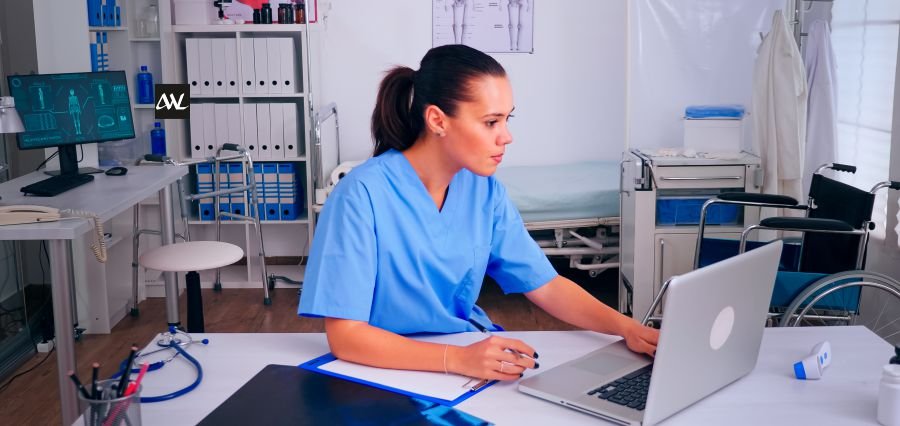
Healthcare systems around the world must operate under constant pressure to achieve better patient results while dealing with increasing operational costs, staff shortages and the need to treat complex medical conditions. The demand for services has increased because of three factors which include ageing population, the rising numbers of people with chronic diseases, and the increasing expectations of patients. Clinical innovation has become a vital solution for tackling these issues because it enables organizations to achieve significant changes that go beyond standard improvement methods. It combines fresh care delivery methods with innovative medical technologies and data-based medical decision-making and cooperative methods which change healthcare delivery and patient experience. The field extends beyond revolutionary technologies to include complete system reengineering, organizational transformation and new patient-clinician interaction methods. For modern healthcare systems, clinical innovation is not a one-time project but an ongoing strategic priority. Healthcare systems achieve success when their innovation efforts match the needs of patients which leads to results that create value instead of unnecessary interruptions.
Value-Based Care Models
Healthcare leaders use redesigned care models as their most effective method for implementing clinical innovations. Healthcare systems now incorporate patient-centered value alongside their traditional hospital-based systems which focus on treating patients through continuous service delivery. The models use financial incentives which value quality healthcare services to drive their system development towards better patient healthcare outcomes through enhanced preventive measures and seamless treatment delivery. Value-based care systems help healthcare organizations reduce expenses while boosting patient satisfaction and treatment efficiency through their focus on delivering optimal outcomes for patients. The new approach depends on three main elements which include integrated care pathways, multidisciplinary teams and community-based services. Healthcare systems use coordinated care across all levels of care to improve their ability to treat patients who have chronic diseases like diabetes, cardiovascular disease and respiratory disorders.
Multidisciplinary teams combine the expertise of clinicians, nurses, pharmacists and allied health professionals to provide complete patient care which minimizes treatment duplication and service delivery gaps. Patients who need medical attention can access community-based and home-based services which help them stay away from hospitals while ensuring their medical needs receive continuous treatment. Digital health technologies have played an important role in advancing the shift towards value-based healthcare delivery systems. Healthcare providers use remote monitoring systems and virtual medical appointments and home care services to stay connected with patients throughout their treatment process.
Digital Technologies
Digital technologies support all current advancements in clinical research. Electronic health records, clinical decision support systems and interoperable data platforms work together as essential equipment that medical professionals use to enhance patient care and clinical performance. The systems deliver their intended benefits when they are executed in the right way as they present essential patient data to medical staff while minimizing their operational duties and enabling them to deliver safer medical services. Artificial intelligence and machine learning are increasingly shaping clinical practice across multiple domains.
AI algorithms in medical imaging enable clinicians to interpret scans with greater speed and accuracy which helps them identify diseases like cancer and cardiovascular disorders during earlier stages. Machine learning models examine extensive datasets in risk stratification and predictive analytics to determine which patients have the greatest risk of developing medical complications or being readmitted to the hospital. Clinical resources become more accessible through these insights which guide healthcare professionals to implement specific treatments. The system achieves success only when organizations have access to trustworthy data and medical staff members believe in the system and strong management structures exist.
Workforce Capability
The healthcare systems need to develop their workforce capabilities because they depend on people for their clinical innovation work. Clinicians need to learn the skills which will enable them to adopt new technologies, assess their effectiveness and drive their implementation in their daily tasks. The required competencies for professionals include digital literacy, data analysis and quality improvement techniques and capacity to work together with others from different fields. The healthcare industry requires professionals to develop their ability to operate digital technologies because these tools have become essential components of patient care. The process of sustainable innovation depends on continuous professional development to achieve its objectives.
The organization needs to build a system which permits its members to explore new ideas while they acquire knowledge and make ongoing improvements. Healthcare organizations that back pilot programs and take calculated risks while using their failures as learning tools have better success in their innovation efforts and their ability to expand successful programs. Leaders establish environments which foster innovation by creating incentive systems, decreasing administrative requirements and engaging clinicians as active participants. The design and implementation process for new solutions achieves higher adoption rates when frontline clinicians take part in decision-making.
Conclusion
The sustainability and operational effectiveness of contemporary healthcare systems depend on clinical innovation strategies. Healthcare organizations can improve their care delivery through three main strategies which include developing new care models, using digital technologies and building workforce capabilities. The most effective systems implement innovation through an ongoing process that organizations manage according to their strategic objectives which enables them to develop both technology and human skills. The healthcare system’s capacity to implement responsible innovation at scale will determine which health systems will achieve high performance according to changing healthcare demands.