The pursuit of global leadership is not an ideal but rather a daily operational reality in the United Arab Emirates. The terrain of the nation is defined by relentless acceleration. The world regularly highlights the country’s infrastructure, technological prowess, and skyline, but the true, enduring strength lies in the strategic excellence of its human capital. To succeed in specialized, high-stakes fields like defense engineering, organizations must do more than simply hire people; they must strategically engineer talent into an invaluable asset.
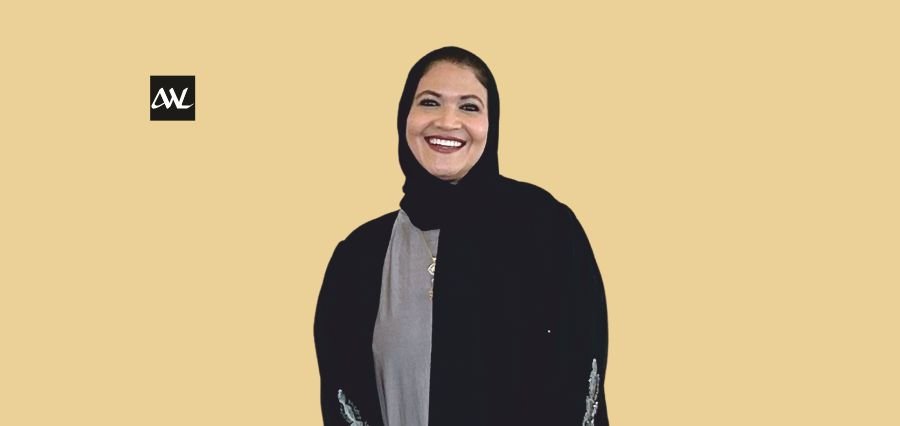
This is the domain of Dr. Fatima Al Hashmi, the visionary Head of Human Resources at NIMR. She is not merely running an HR department; she is constructing the unseen architecture of organizational resilience, ensuring that the personnel supporting protected mobility and defense technology are as robust, precise, and future-ready as the armoured vehicles they design. Her work represents a dynamic convergence where evidence-based research, specialized engineering requirements, and a deep, human-centered focus on well-being forge a powerful strategic advantage for the company and the nation.
For Dr. Fatima, leadership is a continuous, active process of foresight and cultivation. She understands that in an enterprise like NIMR, synonymous with innovation and operational rigour, human resources must transcend administrative functions and operate as a core strategic engine. She consistently shapes a workplace where intellectual curiosity is rewarded, specialized talent is nurtured, and the workforce is psychologically empowered to meet the critical demands of the defense sector. She positions the HR function as the ultimate strategic enabler, dedicated to anticipating future capability needs and securing the sustained high performance of a highly specialized technical community.
The Core Philosophy: From Doctoral Research to Daily Strategy
Dr. Fatima’s leadership at NIMR is fundamentally anchored in evidence-based practice, setting her apart as a leader who consistently leverages intellectual rigour to drive enterprise success. She possesses a crucial academic foundation: her doctoral research, completed in 2024, focused specifically on talent management practices within the UAE defense sector. She graduated with a Doctorate in Business Administration (DBA), dedicating her academic efforts to empirically exploring talent management strategies that improve the workplace environment and enhance employee retention. This deep, personalized research forms the operating manual for her HR function.
She is not relying on intuition or generalized corporate trends; she is actively translating complex, validated research, developed through her own mixed-methods approach combining quantitative surveys and qualitative interviews, into tangible, day-to-day HR decisions. She actively ensures that every strategic decision is aligned with both empirical data and operational realities, forging a powerful synergy between the lab and the factory floor.
The Precision of People: Architecting the Defense Talent Pipeline
Operating at the forefront of protected mobility and armoured vehicle technology, NIMR requires an HR leader who can expertly manage the tension between the need for deep technical mastery and the requirement for swift, adaptive operational discipline. Dr. Fatima expertly navigates this dual mandate, ensuring the organizational excellence she fosters directly translates into superior project outcomes.
Balancing Scientific Depth with Operational Demand
She leads the development of integrated, structured frameworks to manage the intensive talent development needs of NIMR’s engineers and researchers alongside the stringent administrative requirements of the defense sector. This is achieved through three interconnected mechanisms:
- Mandated Professional Development Plans (PDPs): She actively mandates the use of tailored, measurable PDPs for every specialist. These plans ensure that continuous learning is not a luxury but a core function, tethered directly to individual long-term career goals and, crucially, to NIMR’s strategic capability gaps.
- Specialized Technical Career Ladders: Dr. Fatima recognizes that many elite technical specialists do not wish to transition into general management. She implements prestigious technical career ladders that offer defined pathways for growth, recognition, and compensation increases based purely on the deepening of specialization and technical mastery. This strategy is critical for retaining top-tier experts who drive complex engineering solutions.
- Comprehensive Competency Models: She spearheads the creation of detailed competency models that provide an objective standard for success. These models precisely define the specific skills, behaviours, and knowledge required for every specialized role, serving as the objective foundation for targeted hiring, fair performance evaluation, and customized development initiatives.
This integrated system ensures that talent development is a continuous, measurable process that is directly aligned with high-velocity project delivery and the company’s long-term strategic mission.
The Human Touch: Fostering a Culture of Intentional Inclusion
Dr. Fatima fundamentally understands that innovation is fuelled by feeling secure. She recognizes the critical need to cultivate a culture of intentional inclusion and psychological safety, acknowledging that engineers and researchers, due to the depth of their specialization, often risk becoming siloed within their technical areas. Her approach actively works to dismantle these silos and foster genuine human connection.
She actively drives initiatives designed to ensure the workforce feels safe to speak up, share constructive criticism, and contribute radical ideas without fear of negative consequences. Her strategies for creating this inclusive and resilient environment include:
- Cross-Functional Dialogue Platforms: She engineers formal and informal platforms that specifically force constructive interactions between technical teams, manufacturing teams, and administrative units. This approach encourages the cross-pollination of ideas and perspectives that are essential for solving complex engineering challenges.
- Empowering Peer Recognition: She implements robust peer recognition systems that move beyond managerial acknowledgement. These systems celebrate team success and individual contributions publicly, ensuring that employees feel genuinely seen and valued by their colleagues and peers, reinforcing a collective sense of achievement.
- Mission-Driven Engagement: She designs engagement initiatives that connect employees deeply to the company’s mission and to one another. This focus ensures that the collective effort transcends technical specialization and anchors itself in a profound sense of shared purpose.
This intentional cultivation of culture is essential to her intended legacy: creating a workplace where employees are empowered to lead and safe to grow, thereby maximizing their creative and productive potential.
Measuring Success: The Strategic Impact of HR on Business Outcomes
Dr. Fatima operates with a distinct view of HR success- one that looks far beyond internal operational metrics. She judges her function’s effectiveness by its tangible strategic impact on the core business outcomes of NIMR. She ensures that HR is viewed not as a cost center, but as a direct profit and productivity multiplier.
For her, the truest measures of HR success are visible in the metrics that matter most to a high-stakes defense engineering company:
- Engineering Productivity: She tracks how HR initiatives, from development programs to well-being interventions, directly correlate with improved output, efficiency, and quality from the engineering teams.
- Retention of Critical Talent: Success is defined by her ability to retain the high-potential, specialized engineers and researchers who hold vital institutional knowledge and drive innovation, thereby minimizing turnover costs and securing a sustainable future.
- Delivery Velocity and Project Outcomes: She monitors how the health of the talent pipeline and the effectiveness of leadership development programs contribute to faster, more efficient project completion and successful, on-time product deployment.
- Team Cohesion and Innovation Rate: She measures the success rate of cross-functional projects and the overall health of team dynamics, serving as leading indicators of a resilient and innovative organizational culture.
She ensures that every HR initiative is directly mapped to a business result, confirming that her strategic investments in people always yield immediate and demonstrable positive effects on organizational resilience and competitive advantage.
The Future of Work: Reimagining Policy with Agility and Accountability
In response to the rapid evolution of the global workplace, Dr. Fatima is actively engaged in reimagining HR policies at NIMR. She recognizes that to attract and retain elite, modern talent, policies must be flexible and forward-looking, yet they must rigorously maintain the essential operational discipline required in the defense sector. She firmly believes that agility and accountability must go hand in hand.
Her policy reimagining focuses on creating structures that empower employees while ensuring alignment with critical organizational priorities:
- Agile Hybrid Work Models: She leads the implementation of hybrid work models that carefully balance the non-negotiable requirement for on-site presence (necessary for security protocols, collaboration on hardware, and access to manufacturing facilities) with the flexibility of remote work. This ensures maximum productivity without compromising mission-critical operations.
- Strategic Access to Specialized Expertise: She is implementing a refined framework for consultant contracts and specialized on-demand talent agreements. This allows NIMR to rapidly access niche expertise without the rigidity of full-time employment, ensuring the organization can quickly adapt to new technological requirements. She ensures HR is actively involved in the sourcing, onboarding, and performance management of this crucial temporary workforce.
- Outcome-Based Performance Frameworks: She continues to embed systems that rigorously measure impact rather than mere activity. Her frameworks focus on the achievement of tangible delivery milestones and value creation, ensuring that employees are judged on the quality and result of their work, not simply the hours spent in the office.
Her policies are designed to be dynamic, reflecting her commitment to organizational change, transforming NIMR into a truly modern, high-accountability workplace.
The Legacy of Foresight: Mapping the 2026–2030 Horizon
When contemplating her ultimate professional legacy, Dr. Fatima anchors it in a single, profound, human-centered question that guides her every action: “Did I build a culture where employees felt safe to grow and empowered to lead?” This principle is the bedrock of her ethos, shaping everything from high-level policy design to individualized leadership coaching. She seeks to be remembered not just for the strategic frameworks, data-driven decisions, or operational efficiencies she delivered, but for how she successfully enabled others to thrive, step up, and lead the future of NIMR.
Looking ahead to the strategic horizon of 2026–2030, her goals for NIMR are focused on ensuring enduring, systemic sustainability:
- Deepening the Succession Pipeline: She aims to transition the pipeline from an HR-led project to a fully ingrained organizational process, ensuring that readiness for all critical technical and leadership roles is continually assured.
- Embedding Technical Career Pathways: She commits to fully normalizing the technical mastery track as a prestigious, equitable, and high-reward alternative to the management track, thereby guaranteeing the retention of invaluable institutional expertise.
- Strengthening Overall Organizational Resilience: She works to cultivate a culture that can quickly and successfully adapt to geopolitical shifts, technological disruptions, and evolving market requirements without compromising mission effectiveness or quality.
Dr. Fatima is the proactive architect of NIMR’s most vital asset. She is solidifying HR’s position as an indispensable strategic partner in leadership, one that anticipates capability needs, nurtures high-potential talent, and relentlessly reinforces a culture defined by both engineering excellence and deep human inclusion. Her leadership trajectory is a powerful testament to the idea that in any high-stakes sector, the human element, when cultivated with strategic foresight and scientific rigor, is the most powerful engine for sustained national innovation.