
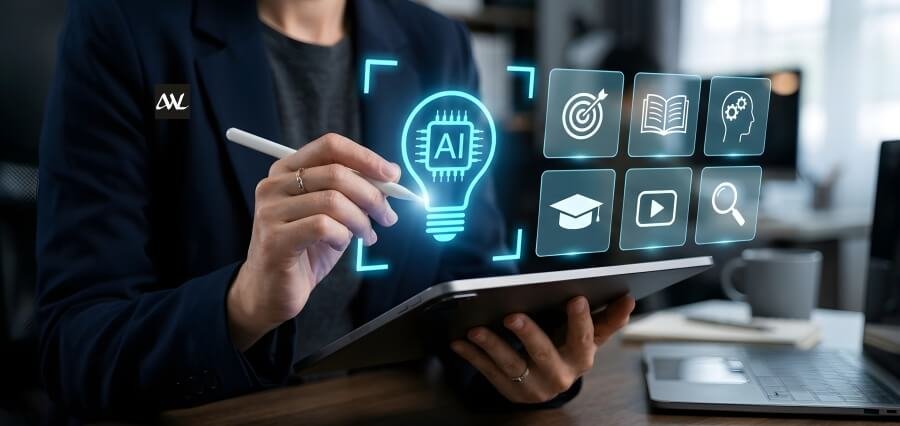
Education is among the best instruments for developing people. However, there are various constraints, including location, cost, disability, lack of resources, and unequal access to technology, which affect the opportunities available to many students. With the growing interconnectedness of the world, the methods of education delivery are being reconsidered to make sure that every person gets the same chance to succeed. The issue of extending education systems is not the only area of concern anymore.
This transformation has led to the increasing need for educational tools that address the varied requirements of learners in today’s environment. Through the integration of new techniques of instruction, technology, inclusiveness, and learner-based approaches, education providers will be able to eliminate barriers that keep learners from achieving their full potential. Such tools are creating classrooms where diversity is celebrated and where success is possible for everyone.
Inclusive Learning
True educational progress starts with inclusiveness. Everyone has certain unique talents and skills. To establish an efficient educational process, it is necessary to take into account all these facts and provide everyone with equal possibilities to be involved and get educated. The process of creating such an environment allows teachers to encourage teamwork, increase the level of self-confidence and provide equal access to education for everyone.
Technological developments have been found to contribute significantly to this shift as well. For example, innovations including screen reader tools, captions in videos, font resizing options, speech recognition software, language resources, and learning platforms are some of the technologies making education materials accessible. This is happening alongside efforts from teachers to apply teaching techniques that accommodate different types of learners, be it visual, auditory, or kinesthetic learners. This way, accessible education solutions are not only useful for disabled students, but for all learners.
Technology for Equity
The emergence of digital innovations made education available in those places that never could serve as learning venues before. Using the Internet, virtual classrooms, mobile apps, and even cloud learning, people gained access to high-quality education. It has also become convenient for people who need to combine studying, working, and other responsibilities. Moreover, it has offered opportunities for people from those parts of the world that lack educational resources.
But at the same time, it must be noted that the availability of technologies alone will not guarantee equal educational opportunities. The usage of the technologies requires planning, infrastructure, and training both for educators and learners. Investment in accessible content and user-friendly technologies and constant training is required to get the most out of the technologies available.
Building the Future
The future of education will require collaboration among governments, schools, technology companies, educators, families, and communities. Collaboration is key in creating systems that will benefit all learners during their school life. Universal design policies, equal funding, provision of infrastructure, and innovations will make educational systems more robust and inclusive without leaving anyone behind. The future of education will require the success of educational systems to be determined by the number of diverse communities served and not just the number of enrollees.
Customized learning, data insights, and collaborative learning digital environments are some of the prospects of education. All such innovations must be anchored in the concept that every individual deserves equal access to knowledge and opportunities. Investing in education tools that cater to accessible learning environments can help ensure that people are ready for their careers and new technologies, as well as their roles in society. This way, the education system becomes not just more productive but also inclusive and innovative.
Conclusion
Learning evolution requires much more than technological innovation and teaching methods; it demands a continuous struggle against all the barriers preventing students from achieving their maximum potential. By using inclusion, innovation, and equality, educators will be able to create an environment that will make it possible for all students to have all that is necessary for them to achieve success. Access to education is not only an educational objective but also a key aspect in community building and social progress.
With increased growth in the field of education, the field of education needs to maintain its focus on the main goal of providing flexible and accessible means of learning to all learners. Through the provision of accessible means of learning, different learners from diverse backgrounds can gain confidence in their capacity to learn, develop skills, adapt to change in the work environment, engage in lifelong learning, and become productive members of society.