
Architecture goes beyond just arranging materials like steel, glass, and concrete. The architecture of a built environment serves as the backdrop to all aspects of our lives. The transition from morning light coming through the window in a bedroom to creating a courtyard in which people can gather within a community illustrates how the built environment creates the cadence of humanity. In the developing cities of the Middle East where the skyline changes almost daily, designers have an enormous responsibility. A designer must possess a unique combination of artistic flair and expertise at interpreting data correctly. Designing an aesthetically pleasing building is one accomplishment; however, designing a commercial space that feels comfortable as if it were “home” is a much greater achievement.
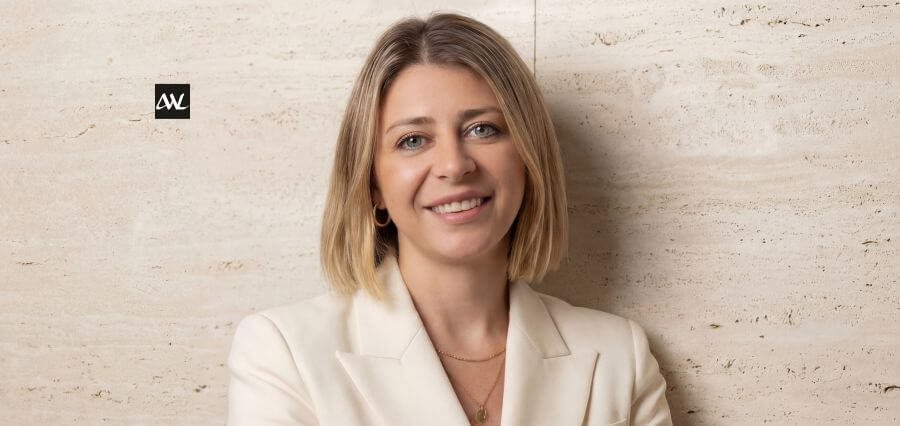
Standing at the forefront of this evolution is Laura Dianu. As the Design Director at Innovo Developments, MENA, she is shaping the future of urban living. She approaches her work with a deep sense of responsibility, believing that every decision she takes / direction she gives impacts how someone will feel at the end of their day. For Laura Dianu, architecture is a form of quiet power. It is a discipline that requires empathy, integrity, and the courage to protect quality in a high-pressure industry. Her journey from a passionate practitioner to a strategic leader is a story of constant growth and a relentless pursuit of excellence.
A Philosophy Rooted in Empathy and Integrity
Laura Dianu defines her leadership through the lens of human connection. She believes that to lead a design team effectively, one must first master the discipline of empathy. This is not a “soft” quality in her view; it is a strategic tool. By putting herself in the shoes of the young professional buying a first home or the investor looking for long-term value, she ensures that her designs remain grounded in reality. This empathetic approach prevents vanity in design and keeps the focus where it belongs: on the person who will eventually inhabit the space.
Integrity serves as the second pillar of her professional foundation. In the world of large-scale development, the pressure to cut costs or speed up timelines is ever-present. Laura Dianu recognizes that small compromises, like lowering a ceiling’s height or downgrading materials, can quickly add up and ruin the dignity of a project. She sees it as her duty to stand firm against these shortcuts. Leadership, to Laura Dianu, means being the guardian of a building’s long-term value. She always advocates for design in a room full of competing interests, ensuring that the human experience is never sacrificed for a temporary gain.
The Personal Turning Point: Architecture Through New Eyes
Every great leader has a moment that shifts their perspective. For Laura Dianu, this happened when she began searching for her own apartment. Suddenly, she was no longer looking at floor plans as abstract compositions on a screen. She was looking at them as the backdrop of her daily life. She found herself measuring balconies with her own footsteps and wondering where she would store her groceries. Laura Dianu questioned if a corridor felt welcoming or if the morning light would reach the right places at 6:00 a.m.
This experience profoundly changed her approach to design. She realized the immense emotional and financial weight that comes with purchasing a property. For most people, a home is the result of years of savings and a vessel for their dreams. From that moment on, Laura Dianu could no longer design in a vacuum. She understood that she was not just delivering “units” to a market; she was framing the future for thousands of individuals. This realization added a layer of depth to her work that continues to drive her today.
Navigating Complexity Across Borders
Laura’s transition into a leadership role was further accelerated by her work on massive, multi-country projects. Managing designs across Egypt, Saudi Arabia, and the UAE exposed her to a level of complexity that matured her professional outlook. She had to navigate various authority approvals, manage diverse consultant teams, and handle intense contractor negotiations. These experiences taught her that even the most creative design is fragile if it lacks a strong structural and systemic backbone.
Laura Dianu learned that a Design Director must be as comfortable with financial governance as they are with aesthetics. This period of her career taught her that protecting design quality requires more than just a good eye; it requires decisiveness and a mastery of the development process. She began to see herself as an orchestrator who brings together the creative and the commercial sides to create something truly impactful.
Merging Creative Vision with Business Strategy
In the real estate industry, there is often a perceived conflict between creativity and profitability. Laura Dianu rejects this binary way of thinking. She believes that vision without financial awareness is simply a fantasy, while a financial strategy without vision leads to mediocrity. She begins every project by diving into its economic “backbone”. She studies the demographics, the expected yields, and the sales targets before she ever begins the design process.
By understanding the business objectives first, she allows design to operate intelligently. For Laura Dianu, originality does not mean being flashy or extravagant; it means being coherent. She ensures that every project has a clear narrative, whether it is a wellness-focused residential tower or a walkable commercial district. When the design narrative aligns with the financial logic, creativity becomes a powerful tool that adds real value. Laura Dianu demonstrates that thoughtful design can actually improve profit margins by optimizing space and elevating the brand’s position in the market.
Leadership as a Form of Service
Laura’s leadership style is heavily influenced by the time she spent working in Japan. In Japanese culture, leadership is often viewed as a form of service and a commitment to continuous self-improvement. She carries this philosophy into her role. She feels a deep sense of duty toward her team members, believing she is responsible for their professional growth and success. Laura Dianu works hard to create a sense of clarity for them, shielding them from unnecessary chaos so they can focus on their best work.
While she expects excellence, she is also a fierce protector of her designers. She encourages a culture of “psychological safety” where team members feel free to propose bold, unconventional ideas or admit when they are unsure about something. Laura Dianu critiques their work with rigor, but she never makes it personal. This creates an environment of trust where designers know their leader will stand by them during difficult moments.
Guided by Fundamentals in a Digital Age
The world of architecture is currently undergoing massive digital transformation. Tools like artificial intelligence, advanced building information modeling (BIM), and immersive visualizations are changing how buildings are designed and built. Laura Dianu embraces these changes and encourages her team to experiment with new technologies. However, she remains adamant that tools are not the same thing as purpose.
She keeps her team anchored in the fundamentals of the craft. She reminds them that their ultimate goal is to create spaces that endure and improve human experience. Laura Dianu views technology as a way to enhance clarity and reduce errors, but she never lets it replace critical thinking. For Laura Dianu, digital sophistication must always be backed by architectural depth. By tying technological advancement to the mastery of the craft, she turns potential fear of change into a source of energy and innovation.
Making Decisions Under Pressure
The real estate industry often involves high stakes and tight deadlines. In these moments, Laura Dianu relies on her “informed instinct”, a type of intuition built through years of experience in design, delivery, and cost management. She knows that when a project is at risk of stalling, hesitation can be dangerous. She approaches high-pressure situations by immediately identifying the “non-negotiables,” such as safety, brand coherence, and regulatory compliance.
Once these core elements are secured, Laura Dianu prioritizes decisions based on their impact on the project’s financial health and construction schedule. She believes that leadership under pressure is about absorbing complex information and moving forward decisively. Even when she makes a quick decision, she remains open to refining it as more information becomes available. This ability to maintain momentum is crucial for the success of large-scale developments.
Cultivating a Culture of Continuous Learning
Innovation is a priority for Laura Dianu, and she knows it requires the right environment to grow. She intentionally surrounds herself with people who are intellectually restless and curious. In the early stages of a project, she creates dedicated space for exploration and testing new ideas for layouts or building facades. She also ensures her team stays connected to global benchmarks, believing that architecture must always be in conversation with the rest of the world.
For Laura Dianu, innovation is not just about doing something new; it is about doing something better. She implements a “knowledge compounding” process where the team reflects every project phase. They ask themselves what added value and what can be evolved for the next time. This culture of continuous learning ensures that the team is always evolving and never becomes stagnant.
A Legacy of Dignity and Mentorship
As she looks toward the future, Laura Dianu is focused on the legacy she will leave behind. She wants to be remembered for more than just the buildings she helped create. She aspires to mentor a new generation of architects in the Middle East: professionals who understand finance and human behavior as deeply as they understand form and aesthetics. She wants to see a community of leaders who lead with integrity and confidence.
As a prominent woman in a leadership role within the real estate industry, Laura Dianu also hopes to redefine what strength looks like. She proves every day that strength can be empathetic, calm, and analytical. Her ultimate goal is to create developments that age gracefully and remain relevant for decades. For Laura Dianu, the true measure of success is the standards she refuses to lower. If her projects still stand with dignity years from now, she will know she has fulfilled her mission.